fashion education

The Slow Mode

Reading Time: 2 minutes

Welcoming the Spring/Summer 22 season


A choice of value
We take it slow, slow mode, moving at our own pace, with no rush to dive into the new Spring/ Summer season. Happy to finally touch with our hands what we ordered months ago digitally or in physical showrooms. Thrilled to show you the mix we’ve put together for you–which we hope you will enjoy. But we do not hurry; that sense of urgency is no longer part of the evolved dimension we’ve embraced.

A conscious approach is rooted in thoughtful actions, not in rushing. And this is a time in which pondering our actions–please, translate it also into thinking carefully about what we purchase–is at the base of everything.

Slow fashion: taking the time it deserves


Quality takes time
Bringing back the value of waiting is fundamental in order to regain standards of quality, and give a proper perspective. Fast is cheap, but there’s no quality nor value in that, just exploitation of human and natural resources. So we want to go back to the ‘tempo giusto.’ The proper time, what quality needs.

the slow mode - welcoming Spring/ Summer 22 season


The global industry is still ingrained in the status quo, not willing to change because by offering cheap products, they are sure they’ll sell them regardless of the side effects. Well, we don’t want to be part of that system.

During days of total uncertainty caused by the pandemic, we’ve been searching for consistency, good design, and quality. This is what we thought it made sense to offer.

Our fashion? The slow mode. We embrace slow fashion by adapting it to our evolving needs. If brands run fast, we do not. We bring in our visions and values instead. And we believe that suggesting you buy less, much less but better quality pieces is an effective way to reduce our impact on the planet.

So we don’t go where the wind goes, we go where value resides.
The Slow Mode Read More »

Call It Common Sense

Reading Time: 2 minutes

What if sustainability is simply sound reasoning?


Common sense is the non-trendy term for sustainability. In other words, what people call sustainability, we call it common sense.

It is interesting to analyse the notion of sustainability and when it came out, what kind of change it brought up, or what new necessity has awakened. The concept of sustainability was born around the end of the ’80s when some individuals realised that intense exploitation endangered our planet and future generations’ lives.

A step back to the past


If we dig deep into our traditions, we discover that what we call sustainability now was for our grandparents just their way of living. It was their intentional choice, determined by necessity and contingency. But also by being aware of the value of goods, an understanding that each object or garment had specific properties and purpose. Manufacturing offered durable products therefore, almost nothing was wasted. Moreover, for them, objects had a second life. There was a shared sense of respect, and life didn’t revolve only around consumption.

That’s the education our parents received, yet no slogan framed that simple way of life.

Then came the time when, fascinated by the consumerist mindset, our parents gave up on their education. Harmufl habits replaced a thoughtful lifestyle. A new ego-centred vision in which we believe we can dispose of nature or people the same as we do with the things we buy. Everything is at our feet–consume and throw away.

We have lived as if nature’s resources were infinite, let’s be honest about it. A very few people questioned it in the past, not the CEOs of corporations for sure.

Sustainability or common sense?


Eventually, we realised that resources are finite, and the world in thirty years will be unlivable. So here comes the term sustainability, sold as the discovery of a new meaningful lifestyle (the one we forgot about).

Well, there’s nothing new. What you call sustainability is just common sense.

Call It Common Sense Read More »

Accessible All Ages

Reading Time: 2 minutes

Age and fashion: challenging an erroneous belief


Age and fashion: it’s time to challenge outdated beliefs and embrace a world where style knows no age limits. In fact, the representation of different ages in fashion finally had its recognition. You don’t have to hide anymore, in case you ever thought about doing so. Or, perhaps you were waiting for permission to wear waht you love.

But did we really need permission? And, dear brands, do you believe young people can truly afford your expensive clothes?

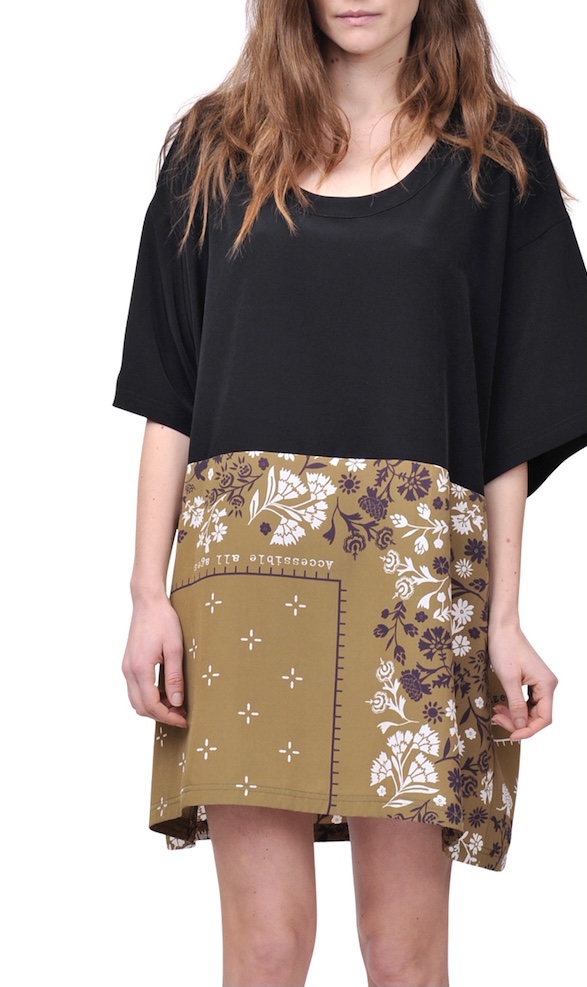
Take a look at this picture (zoom the bandana print).
We picked this dress from the Spring/ Summer 2015 MM6 – Maison Martin Margiela collection. Not new if we consider the date of its release. But still relevant in terms of the idea the brand promoted, which was fashion-forward.

Age and fashion
MM6 – Maison Martin Margiela Spring/ Summer 2015

Fashion accessible to all ages


The transversal cut of the collection was clear. We ordered it because we loved the concept and felt aligned with it. Also, we personally have that dress in our closet and still wear it. You may be familiar with the notion of timeless fashion, such a discovery. Yes, we’ve always believed that good design was forever.

Around 2022 the concept of fashion without borders such as age, gender, body shape started to be recognised and amplified by fashion brands. But in 2015, it was about being a trailblazer, innovative and creative, by proposing a countercultural message. Now, from pret-a-porter to haute couture, those words and images have flooded fashion communication. So it sounds like something you have to say just to conform.

It’s fascinating to analyze the many labels we place on the boxes we think we belong to—age, gender, body shape, race, and more. The need to fit in, to belong to a specific category, is ever-present.

Yet, when brands highlight labels so often that they all send the same message, authenticity is lost. Eventually it is clear that these labels are a just marketing trend.

Rules are different now. Back then, we had designers, and fashion was meaningful. Now marketers pull the strings. And, in a spasmodic search for identity, we need slogans to frame the emptiness.

Accessible All Ages Read More »

Smells Like Marketing

Reading Time: 2 minutes

When marketing overshadows creativity: the homogenisation of fashion


Fashion smells like marketing. Not creativity – marketing.
It’s embedded into the product, making everything look the same. Brands drowning in a cloying, flat language.

It would be interesting to understand why designers do everything except what they are supposed to do: create beautiful clothes. There must be a reason for it.

After the fashion weeks, the Gucci Love Parade in Hollywood was yet another weird event, representing the many futile proclamations navigating the sea of marketing.

Some designers (Stella McCarthney) want to ban leather; if not that they’ve always used synthetic materials to make their accessories – which is even worse. Some others (Chloé) became a B-Corp but lost the beauty of their collections. Others tell us to buy vintage instead of new clothes. Maybe those proposals have to do with a sustainable lifestyle, blindly giving the benefit of the doubt. But, leave good design aside.

Designers forget the purpose of their role. Instead of doing their job – creating beautiful clothes – they suggest alternative lifestyle strategies.

Marketing and the purpose of a fashion brand


If you are a designer, you should have a vision and express it through your creativity. That is an opportunity to trace new pathways, inspiring others. But the issue is that clothes have no point anymore. The design is not the focus of a collection, the chit-chat that surrounds them is.

Well, designers, the viable idea is to make much smaller collections. Reduce – a lot – the number of pieces and create a timeless aesthetic.

But please, put your creativity to work and make curated creations that reflect your visions. We appreciate your lifestyle suggestions, but creativity is what we expect from you. All the other proposals have to come along with it. Otherwise, it seems like you have no ideas except marketing claims.

Wittgenstein said that “ethics and aesthetics are one.”

In the latest fashion proposals, apart from the questionable aesthetics, the so-called ethics smells like marketing. Nothing more than empty claims.

You can hire marketing gurus, but new ideas and creative designs are hard to find!

Smells Like Marketing Read More »

People Don’t Read

Reading Time: 2 minutes

In a world of images, words demand too much effort


People don’t read. Don’t ask people to read. Please, just don’t. In the fashion field, there’s no need to dig deep into socio-cultural-economic aspects. Customers don’t want to know more. Instead, bombard them with shopping prompts. Continuously. Endlessly. But do not involve them in a piece that makes them stop and think. Just push them to buy! In fact, it’s a profitable engagement, a language they truly appreciate.

People want images. If you put them in front of words, they are forced to stop, read and reflect. That takes some time, and it is annoying.

Just show them images, let them click on the buy-now button, and they’ll be fine with it. Why question things? Just follow along. Accept. Consume. Repeat.

Social media absorbs the attention, you start scrolling for a few minutes, and you end up eaten up by an endless stream of superficial information. There, there’s no need to read. Indeed you can stop at the titles or just a few words.

But you are well-targeted and, most of all, you are going to shop. Yes, there’s nothing else people want.

people don't read, image of reading a book


However, the pattern is not new. Pavlov experimented on this behaviour with dogs, he showed them the trigger and got the reaction. Indeed, this conditioned reflex works well with humans too. Brands know the game and accordingly shaped the world for us.

From ‘cogito ergo sum’, corporations worked to embed ‘shop ergo sum’. By influencing our brains and behaviour, they did a great job.

Why?
Because people don’t read. They don’t like reading, as they don’t like thinking.

For instance, if you want to ponder a little, do you know that funny thing called accessible luxury? How about ethical businesses when brands still produce in places where human rights do not exist?

But no, do not search for discussion or sharing ideas. There’s no need to understand fashion context. Keep it superficial, feed them with products. And, please, don’t be too refined.

There’s no need to think. Stick to your well-known pattern.
Don’t read. Don’t choose. Just shop!

Unless you realise you can choose – to read.

People Don’t Read Read More »