fashion education

How To Change the Fashion Industry

Reading Time: 2 minutes

A few constructive ideas and basic principles for meaningful change


We discussed climate change as a direct effect of humans’ actions and the fact that the fashion industry plays a role in this. Also, that it’s impossible to avoid the impact of humans on the planet.

However, a vision of possibility opens up new opportunities. This is why we strive to find solutions and be a part of them. If we cannot avoid our impact, the challenge is implementing ways to limit it. How can the fashion system reduce its impact on the planet?

Ideas to change the fashion industry


Forget big numbers or large-scale productions
The impact that big numbers have on the environment is much higher. Therefore, they aren’t sustainable. Never!
Brands that sell clothing or other products made with sustainable materials but produce huge quantities aren’t sustainable.


Small-scale companies
Small manufacturers, brands, and designers are the future. Handcrafted smaller productions made with sustainable materials would create healthier production chains. Also, designers would make products for different market segments, from affordable to luxury. Small is beautiful, and it gives a long-term solution.

How to change fashion retail


Small-scale retailers offering a more focused and balanced selection can be part of the solution by ordering the number of goods they need and reordering during the season if they need more. Indeed, a made-to-order basis would be the best way to dismantle the overproduction system–a pattern that asks retailers for unrealistic budgets and causes huge unsold stock.

Less quantity, more quality


Less quantity ordered by retailers means higher quality–less but better. Also selling goods during the season. So no heavy discounts and no sales, but a well-balanced system that provides value, not exploitation.

In the end, small businesses can better adapt to change and have a more controlled production chain. In fact, we need to consider these points if we want to shift towards a sustainable industry.

Perhaps top brands will never accept a small-scale system because they wouldn’t maximise profit. Indeed, it makes capital accumulation more difficult. So it will be interesting to see how they will promote sustainability without addressing these crucial factors.

How To Change the Fashion Industry Read More »
Less is More

Reading Time: 2 minutes

What the fashion industry refuses to see


Less is more, is not about deprivation but value, a more attentive choice. A concept that, together with buy less, buy better – brings about a new awakened attitude focused on meaning. And so, an evolved lifestyle that privileges quality rather than quantity.

For people like us, who lived the pandemic as an eye-opening event and an opportunity to change because we had the chance to realise what we did to the planet, going back is not a possibility.

A lost opportunity


People attracted to the spotlights, influencers and celebrities did not have a crumb of this thought during this fashion month.
But we did, you and us. Indeed we are disappointed by the latest fashion shows and the massive number of outfits made for the new Spring/Summer 23 season. And we are disappointed because the industry missed the opportunity to mark a real change.

Less is more is a shift that the fashion industry cannot face up for a matter of mere interest. Fashion is in the hands of finance, and finance is all about money. Since we try to find better ways to inhabit the planet, therefore, how we live and consume, we question what we see. So we challenge the fashion system.

A less passive fruition of fashion


There are people bored by endless online catalogues or stores packed with items. It’s a niche driven by a less passive fruition of fashion and product consumption in general.

If you are part of this niche, driven by a more active engagement with fashion and product consumption, you refuse endless overconsumption as a lifestyle pattern. And you shift towards caring behaviour, so you want a thoughtful selection, fewer pieces made to last.

Less is more: evolved fashion #formodernhumans


Less is more creates space for new possibilities, a new approach that touches on our ethical, economic, and social views placing people and the planet first. It’s a different way of living, a higher purpose. Something that we share and can drive change. Which, in the end, is something bigger than ourselves.

The fashion industry cannot grasp this opportunity, but we can.

Less is More Read More »

The Fashion Month: A Step Backward

Reading Time: 2 minutes

What did you expect from the SS23 fashion shows?


The fashion month is over, and the idea of changing the sytem vanished among global hysteria.

From NY, London, Milano and Paris, the Spring/Summer 23 runways favoured the physical format plus streaming. But some brands opted to reveal the digital version later, not without leaving a certain perplexity. Because this way of looking for an angle, being the cool ones who pull themselves out, seemed more like a step backwards in a digital era.

However, there were so many outfits on the runways, most of which were ugly with just a few interesting concepts. Also, stealing designs, now the norm, killed brands’ identity. But if you expected a different approach, you would be disappointed. The wind of change, so much discussed during the last two years, is gone. Disappeared. Evaporated!

The industry is back to normal!


In case you were one of those afraid of a back to normal during the pandemic, there we are! Totally there! 100% there! The countless number of outfits put together in every show was impressive. Such an endless overconsumption pattern has nothing to do with change. And nothing to do with sustainability.

Furthermore, one of the most popular shows sent out a model in underwear, and then someone sprayed on her body. From an engineering viewpoint, it can be interesting, even if McQueen did it first in Spring 99. But it doesn’t seem to be sustainable. Indeed the material sprayed contains plastic, so it seems like they are promoting single-use plastic.

Even though facts did not correspond to words, all the big groups claim the sustainability umbrella.

Fashion lacks consistency


The fashion industry seems like an enormous bandwagon with no courage or maybe no real will to change. And the reason is simple: changing the pattern leads to degrowth, which means lower budgets. And so, lower profits.

But if brands are so interested in showing their sustainable standards, why was there no trace of it in their fashion shows? Do we still believe that using a sustainable material or building an eco-friendly atelier makes a brand sustainable? No, it only builds up a facade.

As revealed through this fashion month, this industry, which relies on a polluting and exploiting system, has no intention to change.

So please, forget all the talks you may have heard in the last two years! Industry players just had a reactive moment because they worried about losing everything. Now the fear is gone, so is the will to change!

The Fashion Month: A Step Backward Read More »

Fashion Weeks and Research

Reading Time: 2 minutes

Critical thinking in the real of fashion #formodernhumans


Fashion weeks used to offer ideas for doing research, highlighting details worth considering to put together and defining a specific selection. So it was in the past.

And so, these days, we keep an eye on the international events, from New York to London and now Milano. Of course, Paris and Tokyo too. But so far, we are perplexed about what we see.

Fashion weeks vs change


Indeed, the discussion on changing the industry, which was so popular during the pandemic, has disappeared from the scene.
It seems that the fashion industry is an enormous system that doesn’t know how to renovate itself. And so, brands keep up with the same thing they used to do.

Even the language feels boring, like an out-of-tune mantra. So you realise that words like sustainability, timeless or genderless are on everyone’s lips. Just empty claims for people who don’t think.

And they all talk about the same things, but nothing ever changes. Furthermore, the world is falling apart, but it looks like brands are only interested in dressing music or movie stars. That’s what you can offer? Really? Celebrities! They have the money to buy whatever they want, but they don’t pay for their clothes.

When it comes to design and style, you may be even more perplexed. Clearly, designers cannot deliver brand-new concepts. But lately, what the industry calls freedom or inclusion seems just bad taste combined with a lack of vision.

Fashion weeks vs research


So, when we need to research unique garments for people like us, the widest part of the work happens through lookbooks we receive via email. And through some specific research that we do online. Then, possibly, showrooms too.

In the end, you’ll get more value from brands that have something to say, and you can see it through their meaningful design rather than those who want to attract herds of replicants who look all the same.

Above all, fashion weeks as a pure waste of money having an impact on the environment, are pointless.

Fashion Weeks and Research Read More »

Niche Fashion: What Does It Mean?

Reading Time: 2 minutes

And can it stand on its own?


Niche fashion is a matter of having a personal identity, refusing mass products and somehow having a certain repulsion for what is extremely popular.

The question is: do you want to look like everyone else? Dress like everyone else? And think like everyone else? If yes, maybe reading this post is a waste of your time. Indeed many people like to be the copy of others. But if your response is no, it’s worth a few minutes of reading. Exploring the concept of niche fashion will help you understand that small universe outside mass trends.

It’s an imagery that finds very little space in our homologated culture. Social media flattened everything privileging a single line of thought.

Created by visionary designers, it finds support from a limited number of selected international retailers who still have a passion for research. And by people like you, who love searching for authentic gems.

Niche fashion
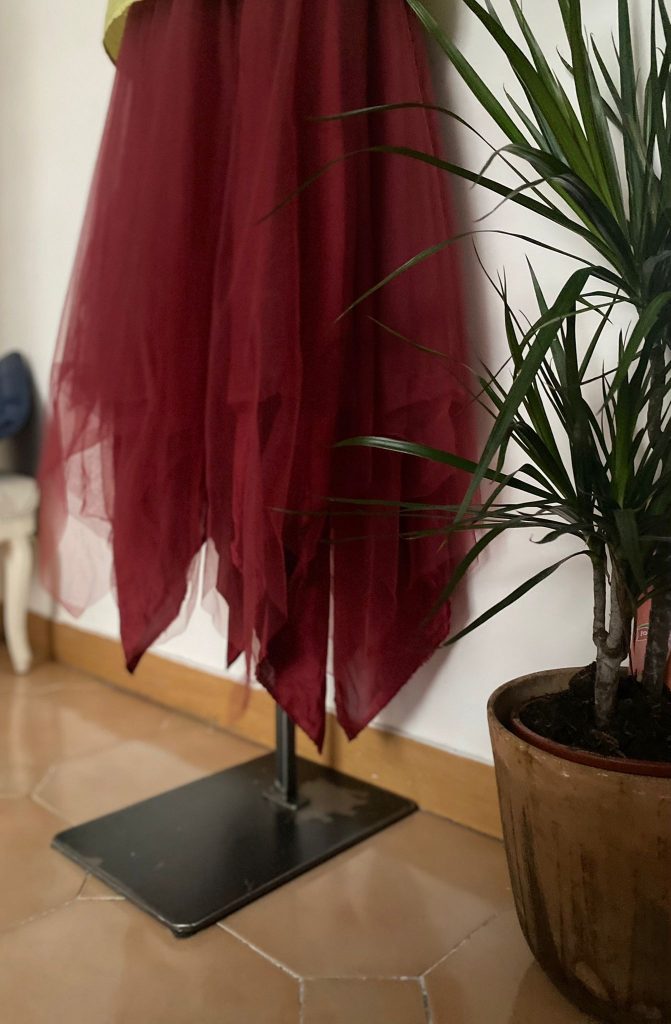
Marc Le Bihan tulle skirt


However, niche has a meaning in marketing but has a slightly different connotation in fashion. In marketing, it refers to a group you identify as your target audience.

Niche fashion meaning


In the fashion field, professionals call niche brands or collections those designs out of the mainstream. Cult pieces of clothing or accessories not for all because of their design, quality and craftsmanship. Which image is so unique that only people with a specific taste will understand them.

In essence, niche fashion is about having a different sensibility towards design and quality. It is for connoisseurs, insiders or everyone having an eye to recognise it, people who escape from mass thinking and find pleasure in the unconventional.

Now, can niche brands stand on their own? The news that Calzedonia group just acquired Antonio Marras, taking a majority stake in the brand, opens the discussion.

Niche fashion will never be trending, never too popular. It wouldn’t be niche. And it has nothing to do with algorithms.
Preserving a culture of diversity is vital for niche brands to survive.

Niche Fashion: What Does It Mean? Read More »