sustainability

NO SALES: A Sustainable Act Of Consciousness

Reading Time: 2 minutes

What You can do to change for the better


It’s the second year of our NO SALES resolution: a sustainable act of consciousness. If you come across our activity by chance, you may discover now that we do not participate in sales or promotions anymore.

What is the reason?

The market is hyper-saturated, filled to the brim with disposable clothing. Heavy discounts and obsessive promotions are indicators of a sick system. In fact, they reflect an economy based on overproduction, compelling the relentless growth of fake needs. So, blind consumers are manipulated and induced to buy whatever products.

Sales are not a sustainable strategy


However, independent businesses or local and small activities cannot follow big corporations on this unhealthy plan. A system that exploits the environment and needs slavery to thrive.
Also, the retail price should take into account creativity, quality and labour. Therefore, fair wages for all the production chain.

Once we have realised the whole economic system is corrupted, we have decided not to conform to fashion standards anymore. And so, we have reduced the quantity we order every season. And by refining our selection, we opted for a capsule wardrobe focused only on meaningful garments.

Thsee are the guiding principles:

1- We don’t need quantity anymore
2- We choose quality and good design
3- We select items made to last
4- Fair wages for all the production chain

We are here to make something different, to change for the better. And to promote conscious fashion and slower consumption. If the status quo is what you still want to support, just look around–it’s everywhere. You don’t need us.

But if you have lost that frenzy and search for value instead, we are here for you. Uniqueness is our strength, you won’t find anyone dressed like you.

No Sales!


No sales represents a sustainable act of consciousness.
And it’s the ultimate sustainable economic model for a long-term approach that promotes creativity, quality, and fair wages.

It is time to stop conforming to a worldview that leads to destruction.

No sales mean less stuff, more meaning. It’s a radical and conscious lifestyle choice #formodernhumans

NO SALES: A Sustainable Act Of Consciousness Read More »
The Society Of Fake Needs

Reading Time: 3 minutes

Unpacking the illusion of necessity in contemporary culture


Human needs: are they real or fake needs? Apart from the basic ones – essential to grant a decent life – human needs involve things that should improve our lives.

But, century after century, individuals have become needier. Or, to put it another way, we have just become spoiled. And if we add a high dose of ignorant and selfish behaviour, easy to detect in our society, the big picture becomes worrying.

We live for instant satisfaction, disregarding the effects of our actions. Among those side effects there are issues like global warming and garbage, so much that droughts have increased and the oceans are full of plastic.

Whether it is a sign of malaise or a sign of stupidity, this behaviour isn’t healthy. Therefore, some questions arise: do we really need all the products we consume? Or are ads just building fake needs to make money?

Advertising makes people believe so many things, and they buy without questioning. For instance, according to adv, we need vitamin supplements (all packed in plastic boxes). But the only thing we need is balanced nutrition, unless there are health problems, of course.
They make us believe we need expensive anti-wrinkles, even if nothing will erase a single wrinkle. Only plastic surgery can do that, another one of the reckless modern needs. And, it seems we cannot miss things like water added with hyaluronic acid or yoga pants. It’s a mystery how people could have practised yoga so far!

Also, they make us believe we need a new smartphone every year, so congrats on Chris Evans, who kept the same iPhone for seven years. Hey, seven years! We thought we were the only ones!

Do we need all those things advertising tries to sell?


So, human needs: are they real or fake needs? Do we really need all the things advertising tries to sell us? Surely not. Indeed we built a society of fake needs. And it is the byproduct of a capitalist model, which puts a cage around us. But, at the same time, we talk about sustainability. Or a worldview that, if taken seriously, has nothing in common with capitalism.

Now is the time to open our eyes and learn to discern rather than blindly believe what we’re told. Discernment requires thought—a valuable exercise in itself. If we want humanity to thrive, we must embrace conscious purchasing and thoughtful consumption habits.

Dedicating particular attention to the impact of our actions on the environment is crucial. It will help us understand that with fake needs, we go nowhere.

Learning to make better choices is the way out.

The Society Of Fake Needs Read More »

Consume Less: Embrace Less, Live More!

Reading Time: 2 minutes

How to reduce our impact on the planet


In order to reduce our impact on the planet, the solution proposed is to purchase sustainable products. So the industries believe, or so they want to make us believe.

But the truth is different. If we don’t start from the assumption that consuming less is at the base of a sustainable lifestyle, we will not make any progress.

Indeed, there’s no sustainable product, recycled or upcycled, green or bio. Or add whatever label marketing will launch to convince consumers that those products are better than others. Not a single one of these products, nor all of these labels combined, will come to our aid.

Even if they truly are better, sustainable products alone won’t change anything. Why? They will not solve the issue simply because that is not enough.

Our lifestyle has an impact on the environment, and in order to sustain it, we are exploiting the planet. Given that, will our impact on the planet be reduced if people consume tons of sustainable goods? It seems very unlikely.

Consume less: this is how to reduce our impact on the planet


A sharp reduction in consumption is the way to bring about systemic change
. If we want to reduce our daily devastation, only one thing will be beneficial: consume less.

Of course, this is about all aspects of our lifestyle. So, reducing the energy and water we use, oil consumption, heating systems, planes, cars, etc. Then, of course, we will need the rest. Meaning sustainable, recycled, upcycled, green or bio.

This also means that we have the power in our hands. Indeed, consuming less requires action on our part.

No brands will ever tell us so, even if this is the only possibility that makes sense. They will continue making sustainable products, filling the world with new sustainable garbage while depleting natural resources.

Sustainability for a dying planet is meaningless!

Consume Less: Embrace Less, Live More! Read More »

Milan Design Week 22: Signs Of A Recovery

Reading Time: 3 minutes

Salone and Fuorisalone: tourists and a vibrant atmosphere return to the city


Milan Design Week 22 is over, and even if the weather was too hot, it was nice to see the town alive again. Some say it was not as crowded as in the previous editions, but many tourists came for the occasion from everywhere.

When they were interviewed by the press, the industry professionals said they placed orders during the exhibition, something that has not happened for a long time. Therefore, they noticed positive signs of a recovery after the pandemic.

By the way, starting from the first editions, the events held for the “Salone del Mobile” and the “Fuorisalone” created a lively and refined atmosphere in town. Much better than the fashion week, almost underscoring that the design audience is more cultured than the fashion crowds. Which is unsurprising considering how fashion has lowered the bar so far.

Milan Design Week & Fuorisalone

Milan Design Week


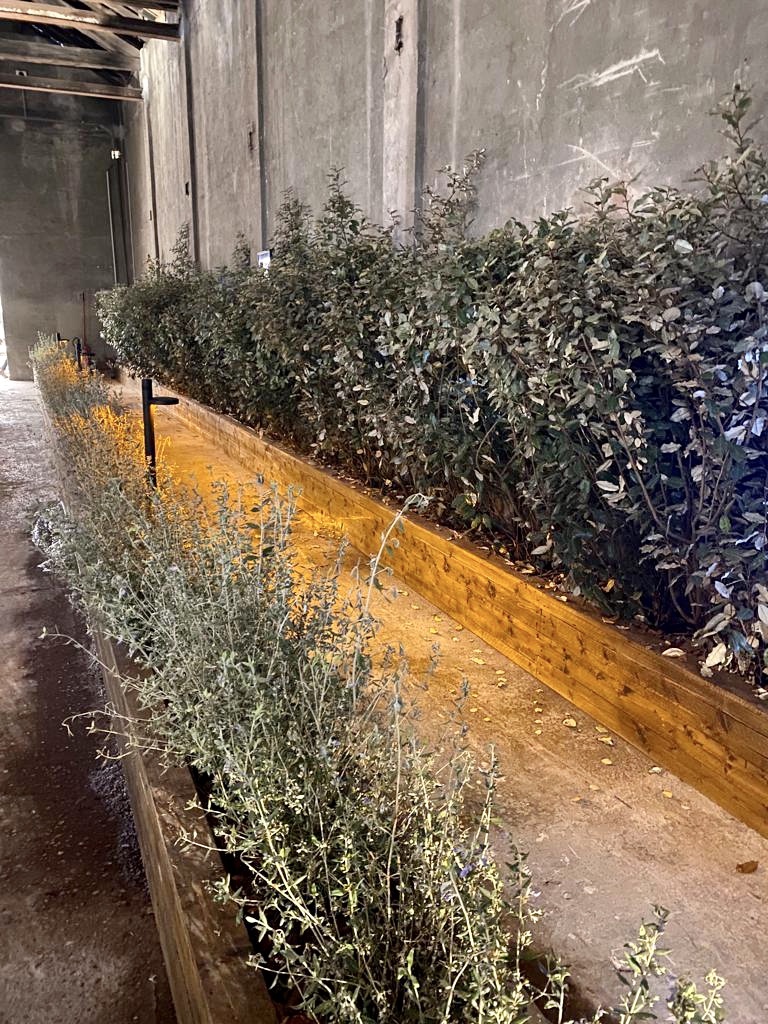
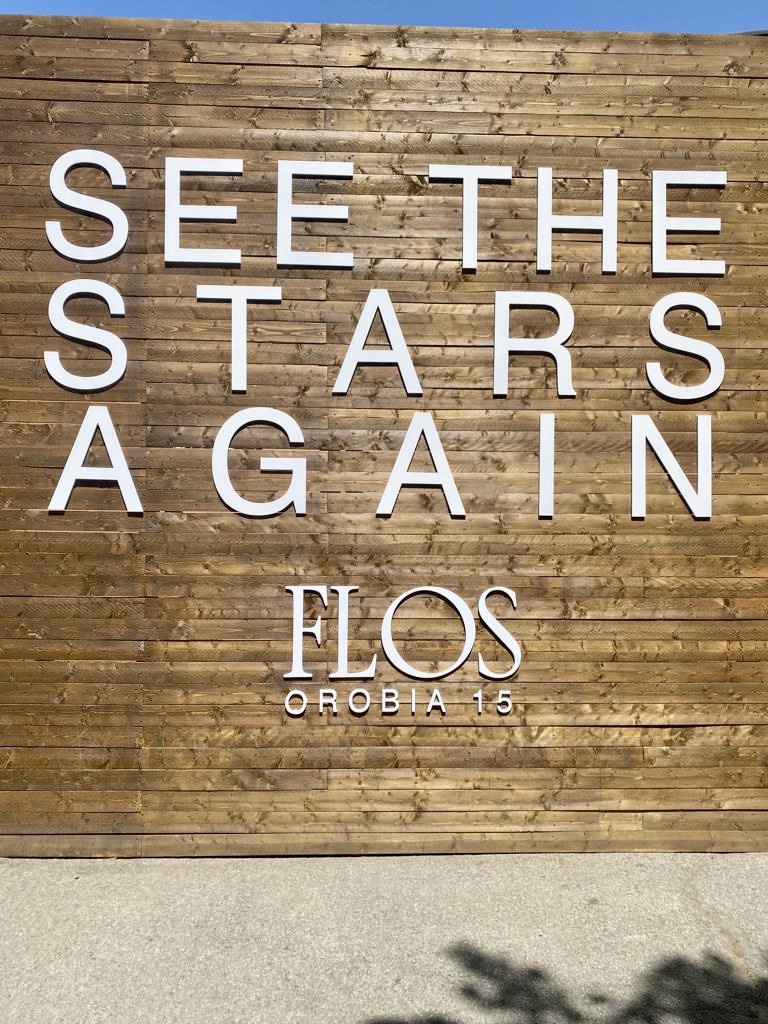
However, among the places we visited, our favourite was the Flos’ location at the “Fabbrica Orobia.” Here we saw beautiful setups in a stunning multi-experience venue. Titled “See the stars again”, the event celebrated its 60 years of activity.
In order to show their outdoor lightning system, they have recreated a fabulous garden in one of the rooms. While people walked next to the plants, the lights changed colours. Amazing!

Needless to say, sustainability was one of the big topics at the Milan Design Week 22. But, of course, there was a lot of greenwashing. Indeed, same as in the fashion industry, it is clearly the marketing game of our times. You cannot sell a single pin if you don’t put a sustainable label on it.

But the first question that jumps to our mind is: how can huge events be sustainable?

What does it really mean to sell sustainability when there are no factual guarantees or clear regulations in place?

Milan Design Week 22: Signs Of A Recovery Read More »

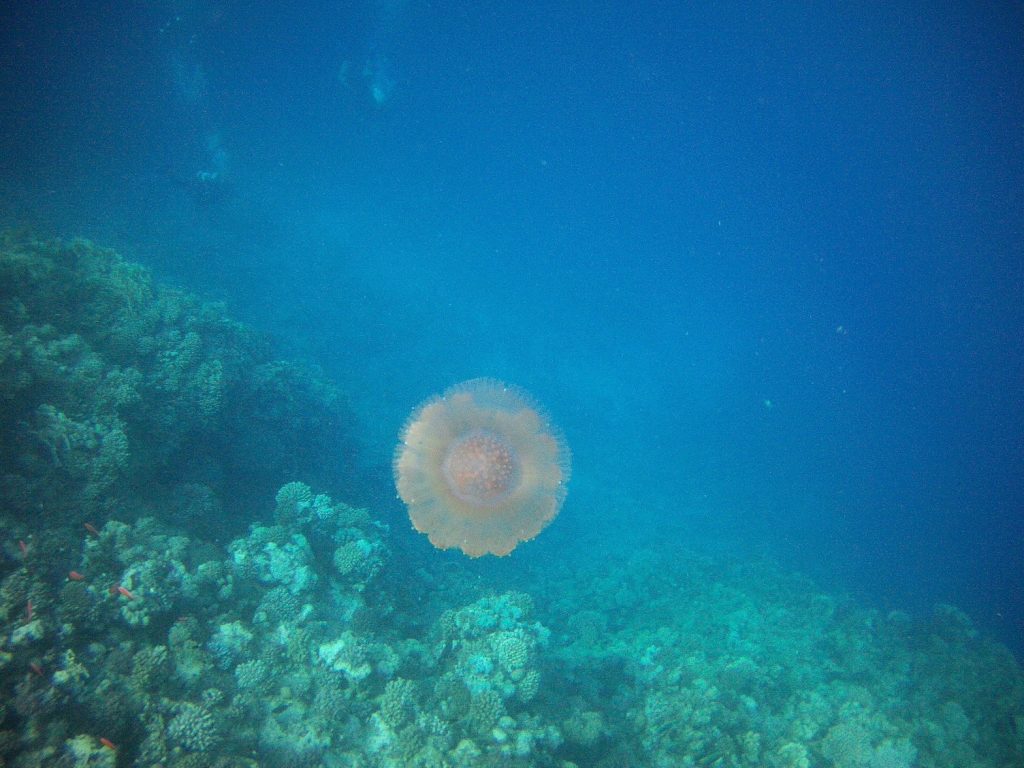
World Ocean Day

Reading Time: 2 minutes

Voices worth listening to for meaningful change


Today is “World Ocean Day”, and it’s nice to see that we celebrate the earth or the ocean without really understanding what it means. Indeed, we discard garbage in the oceans, too.

Mario Tozzi, a geologist and renowned scientific communicator, recently wrote a critical article: in regards to climate change as scientists were not pushing enough to make people understand the urgency.

In his tv show, “Sapiens”, he said that our robbery of the planet’s resources has severe consequences. Every year, we deplete the resources available until December 31st–the overshoot day–much earlier.

Then, he added: ‘If the climate emergency is so dramatic, why aren’t we worried? First, we do not see the climate, and we cannot give it a precise connotation. Therefore, we fail to connect the consequences to the causes such as migrations and drought. We don’t see the connections. Second, we are an overbearing species based on the accumulation of resources. A behaviour that will leave someone with resources, and many others without resources.’

World Ocean Day


Moreover, to mitigate climate change, we must be willing to renounce certain things, but as sapiens, we’re not fond of giving things up!

He also shared a documentary by Yann Arthus-Bertrand, who said that if we do not act now, by 2070, 1/3 of humanity could live in desertic areas like the Sahara. And 3 billion people could not live in their homes.

We wonder, if we complain about migration now, what will happen then?

However, the two most polluting elements, which need immediate action, are heating systems and intensive farming. In the end, it is clear that our lifestyle–entirely–is not sustainable. So we find it depressing to see people who clean their conscience by purchasing sustainable labelled clothing. It looks like you can buy sustainability, and fashion is the only problem when the issue is way bigger.

These are just two strong statements Arthus-Bertrand pronounced:

“We cannot have infinite growth in a finite world.”

“We live in a world of garbage.”

Yes, even the oceans are full of plastic, so we celebrate “World Ocean Day!” What else are we waiting for?

World Ocean Day Read More »