Explorations

The Sustainability Basics

Reading Time: 2 minutes

Sustainability or greenwashing? Download the checklist to know more!

Sustainability is a vague concept, overused and confusing. When we are lucky, it’s an inspirational reference. But, in general, more than an effective change of paradigm that brands implement in their policy, it is a buzzword hiding a misleading intent. In other words, it’s greenwashing.

You happen to read about sustainable fashion, sustainable brands, and eco-conscious clothing and accessories. Indeed, sustainable labelled products are a good business. But brands label their products by claiming something that goes under zero control.

So, is there a lack of ethics? Or a lack of common sense? The discussion is open. And the business too.

Sustainability basics & how to promote a conscious shift

We understand that it is very difficult to say which garment or brand is sustainable and which is not. And it’s tricky even for those who work in the fashion industry. Imagine for a consumer!

So we thought of providing a list to help you develop critical behaviour towards your fashion purchases. Some points to help you become aware of the fashion industry’s practice and make better choices.

We made this checklist for you, and it’s free.

Download “The Sustainability Basics” list

The sustainability basics

We encourage you to download “The Sustainability Basics”, read and share it with your friends. Also, start conversations. Most importantly, don’t wait for brands to become sustainable. Educating yourself to become a conscious consumer is what you can actively do to enhance your lifestyle and change for the better.

Less stuff, more meaning is the evolved ethos #formodernhumans

By the way, we just opened the comments section on this blog. So we invite you to hit the “leave a comment” button and let us know your viewpoint. Only registered accounts can leave a comment.

Small communities can make change possible!

One last note: thank you, Leyla Jackson for your collaboration on this project!

The Sustainability Basics Read More »
The New Gods: Rise and Fall Of The Celebrities Phenomenon

Reading Time: 3 minutes

How popularity drives people’s choices in today’s world


The new gods are inhabitants of our present-day civilization, celebrated like geniuses. yet, all they truly offer is their popularity–nothing more. There’s no Van Gogh, no Mozart or David Bowie among them. And no Cristobal Balenciaga or Jean Paul Gaultier. Meaning, no real geniuses.

We could summarise the latest events as “the rise and fall of the celebrities” phenomenon. And it has a lot to do with fashion brands.

The new gods are famous individuals. For some reason–perhaps not understandable to us–people put them on a pedestal. But, sooner or later, something goes wrong. So those who put them in that venerable position wake up like they had a revelation and push them down again.

The new gods & latest events


Specifically, we are talking about a couple of events that caused strong reactions.

First, much acclaimed Demna Gvasalia–considered one of the gods of fashion designers by international crowds–ended up on the slippery ground. So far applauded, even if his uglified Balenciaga seemed pointless. But, after his disgraceful campaign featuring sexualized kids, negative comments on social media multiplied. Of course, the campaign was unacceptable. However, his work was just about provocation, and perhaps he has simply run out of ideas.

By the way, so many people asked him to step down. Did they wake up altogether? Did it seem reasonable to kill Balenciaga’s heritage so far?

Second, Kayne West: rapper, producer and fashion designer. He spoke in support of the Nazis, and Twitter suspended his account. Did it make sense to listen to him, at least in the fashion field? Can his fans understand they made him rich?
(We explored the connection fashion / music here).

Celebrities and social media


These characters and their social media “emptiness” attract the masses. It’s a matter of understanding why so many people blindly fall in love with them, to the point of accepting absurdities. To the point of purchasing their products for so long, making them rich. 

Demna, Kayne. There’s a fil rouge connecting these celebrities’ phenomena, even though there are many more to mention in the club. The new gods, there are many of them! Born thanks to a shallow system based on tricking algorithms and, therefore, people. Who, in the end, proudly elevate them to a higher status.

Why masses follow the new gods


Contemporary society gives people credit for their popularity and follower base. Based on what? Are they geniuses? Do they have any valuable ideas? Any particular skill? No, their fame is everything. And provocation is all they can do. Out of that, nothing arises.

But they can move a lot of money. Simply because so many people give them credit.

Marketing plays a huge role in hammering with advertising and social campaigns. If someone invests money, it’s not difficult to influence people and make more money. They will trust blindly!

Individuals lose connections with their brain activity and buy into any product or idea, even if they make no sense!

The New Gods: Rise and Fall Of The Celebrities Phenomenon Read More »

Consumption Habits & Sustainability: Are We Missing The Point?

Reading Time: 2 minutes

Between consumerism and lifestyle choices


The conversation about having responsible consumption habits seems to get wider attention. Of course, not the central role it should have, becoming the heart of every serious discussion. But, at least, there is a growing interest in this matter.

The impact of consumerism  


More people acknowledge that our actions have an impact on the planet. Specifically, our mindless consumerist culture is causing irreversible climate and ecological breakdown. And irreversibility is a fact we cannot ignore.

However, what leaves us quite perplexed is the idea of splitting consumption habits into multiple areas. In fact, we see sustainable fashion, sustainable tourism, organic food, and so on. On the one hand, segmenting helps to tackle the issue field by field. But on the other hand, it brings along a certain inconsistency.

Sustainable consumption habits: are we missing the point?


First, communication tells us that green-labelled products consumption will solve the issue. Second, you can consume sustainable products in your favourite segment and get away with it. For instance, you can purchase sustainable fashion garments but care less about wasting food. There’s no logic in that!

Shifting our behaviour towards healthier consumption habits is a lifestyle choice. So, it regards every product we purchase and any experience.

Therefore, we can promote sustainable fashion, tourism, furniture, and food. Automobiles and technology. But to make our behaviour effective, sustainability must embrace all our individual choices. We need to develop a conscious behaviour towards life. 

The line that separates sustainability and greenwashing is very subtle. Our lifestyle doesn’t become sustainable because we buy more green products. We can make products with eco-friendly materials, but still, we will impact the environment. 

We can only reduce our impact on the planet by consuming less—much less. It’s a matter of lifestyle. Adopting a sustainable approach means stopping what we’ve been doing.

And so, are you ready to change your consumption habits?

Consumption Habits & Sustainability: Are We Missing The Point? Read More »

Mulesing Free: What Does It Mean?

Reading Time: 2 minutes

And why should fashion care about it?


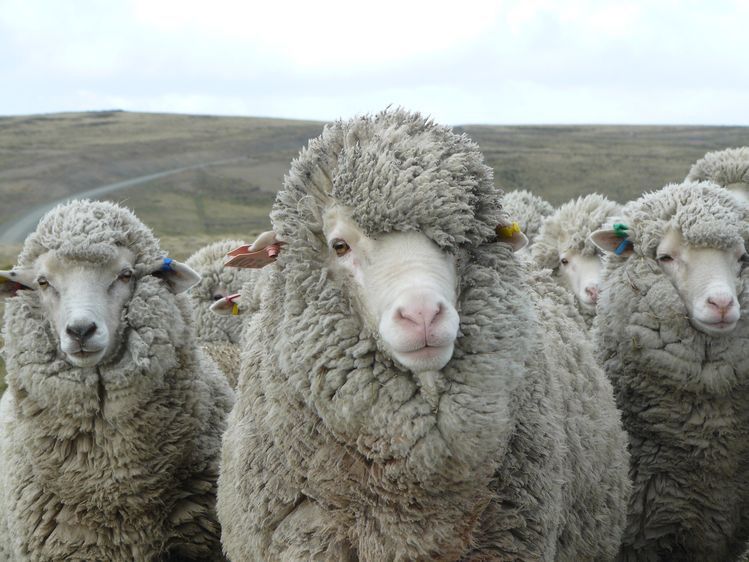
Mulesing is a cruel practice used in merino sheep farms. Actually, it’s a word we weren’t familiar with. But we realise that addressing fashion that respects people, nature, and animals requires much attention.

While placing our Fall/Winter 22-23 orders, we looked through the Plantation 1982 line sheet to pick our favourite clothes. And so, we had the chance to read about this technique.

“The merino wool used for this pullover is mulesing-free, to help improve animal welfare” – so the line sheet said.
One of the reasons why we particularly appreciate Japanese brands like Plantation is that they provide detailed information not only about the design but the material, too. Indeed, they explain why the designing team selected a specific fabric highlighting all the characteristics.

After reading about this particular merino wool, we researched a bit and discovered a horrendous way of getting this material from sheep.

mulesing free merino wool


Mulesing: what is it?


Especially in Australia and Asia, sheep are bred to have wrinkly skin to get more wool per animal. But the wrinkles retain urine and moisture, attracting more parasites that can eat the sheep alive. To prevent this kind of parasitic infection, ranchers perform “mulesing.” They force the sheep onto their backs, block their legs and rip off the skin from the backsides without any painkiller.

This mutilating practice is brutal torture! So we must stop it and find other ways to get the wool.

What is the alternative?


The good news is that the solution already exists: mulesing-free wool. It is a careful shearing practice which respects animal welfare. Therefore the sheep do not undergo any mutilation or antiparasitic treatment harmful to the animal, operators and final customers who get in contact with the wool.

No mulesing: responsible fashion


Fashion designers are responsible for finding respectful ways of making their garments. They must hold themselves accountable for how they conceive and produce their clothing. And find alternative ethical approaches for the fashion industry.

Perhaps we cannot grant sustainability–no one really can! Even those who wave the eco/green buzzwords. But we do our best to select specific quality materials and meaningful garments. In other words, fashion in respect of people, the planet and animals.

Mulesing Free: What Does It Mean? Read More »

News From The Fashion Industry

Reading Time: 2 minutes

What’s going on in fashion?


Reading the latest news from the fashion industry feels like an earthquake is happening. And what a week it’s been!

A brief fashion news recap


Alessandro Michele is exiting Gucci. Honestly, we aren’t sad about it. The maison and its new designer, whoever will be, will face a tough challenge to clean up the circus he made. And bring back the heritage and historical relevance of the brand.

Balenciaga: another brand that has intentionally killed its heritage to undertake a nonsensical path. Moreover, the brand released one of the most disturbing advertising campaigns to launch their plush bags. Children holding bondage teddy bear bags somehow connected to paedophilia is a disgusting message. Not only sexualising kids is horrendous. But it is a clear sign of a lack of ideas. By the way, we could live without plush bags these days!

Raf Simons is shutting his namesake brand, maybe to focus on Prada. Even though he is a great designer, there is something we miss. Since he started his co-designing collaboration with Prada, the Balenciagitis phenomenon has affected his vision. Indeed, exaggerated jackets reminded Balenciaga so much that they seemed borrowed from their fashion show! As a result, Prada stopped being copied and started copying instead.

Where is fashion heading?


So, where is fashion heading? A reflection on this topic is necessary. Can the fashion industry evolve from its current state of confusion?

The pandemic was a game changer, but big groups ignored it. Indeed, they thought they could keep going with their business model: overproduction and making a lot of money. But it seems that provocations and logoed items aren’t enough to survive.

This is fashion in the hands of finance: a blob of mass products. Items covered with logos, taken to the extreme and pretty ignorant. Also, designers lost their crucial role, and marketing experts took their place.

However, we cannot ignore the meaning of the latest news from the fashion industry: reality has dramatically changed, and a new path is needed. Therefore, if brands don’t bring about new ideas, marketing experts will sell their logoed items on another planet!

News From The Fashion Industry Read More »