sustainability

Milan Design Week 22: Signs Of A Recovery

Reading Time: 3 minutes

Salone and Fuorisalone: tourists and a vibrant atmosphere return to the city


Milan Design Week 22 is over, and even if the weather was too hot, it was nice to see the town alive again. Some say it was not as crowded as in the previous editions, but many tourists came for the occasion from everywhere.

When they were interviewed by the press, the industry professionals said they placed orders during the exhibition, something that has not happened for a long time. Therefore, they noticed positive signs of a recovery after the pandemic.

By the way, starting from the first editions, the events held for the “Salone del Mobile” and the “Fuorisalone” created a lively and refined atmosphere in town. Much better than the fashion week, almost underscoring that the design audience is more cultured than the fashion crowds. Which is unsurprising considering how fashion has lowered the bar so far.

Milan Design Week & Fuorisalone
Milan Design Week


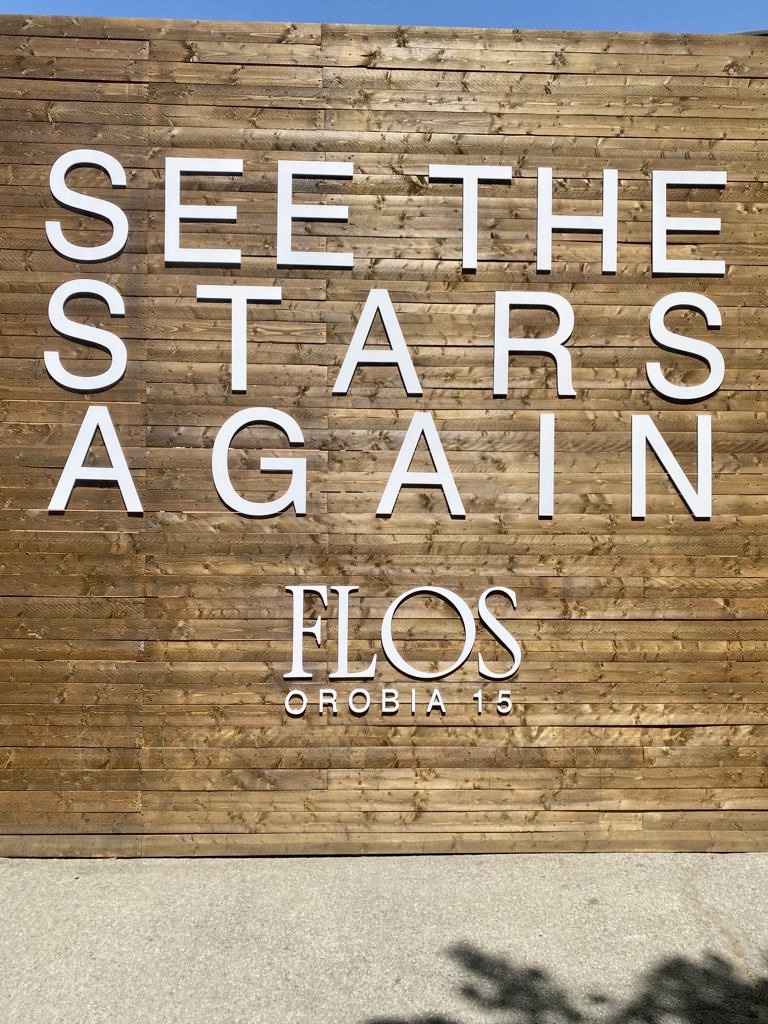
However, among the places we visited, our favourite was the Flos’ location at the “Fabbrica Orobia.” Here we saw beautiful setups in a stunning multi-experience venue. Titled “See the stars again”, the event celebrated its 60 years of activity.
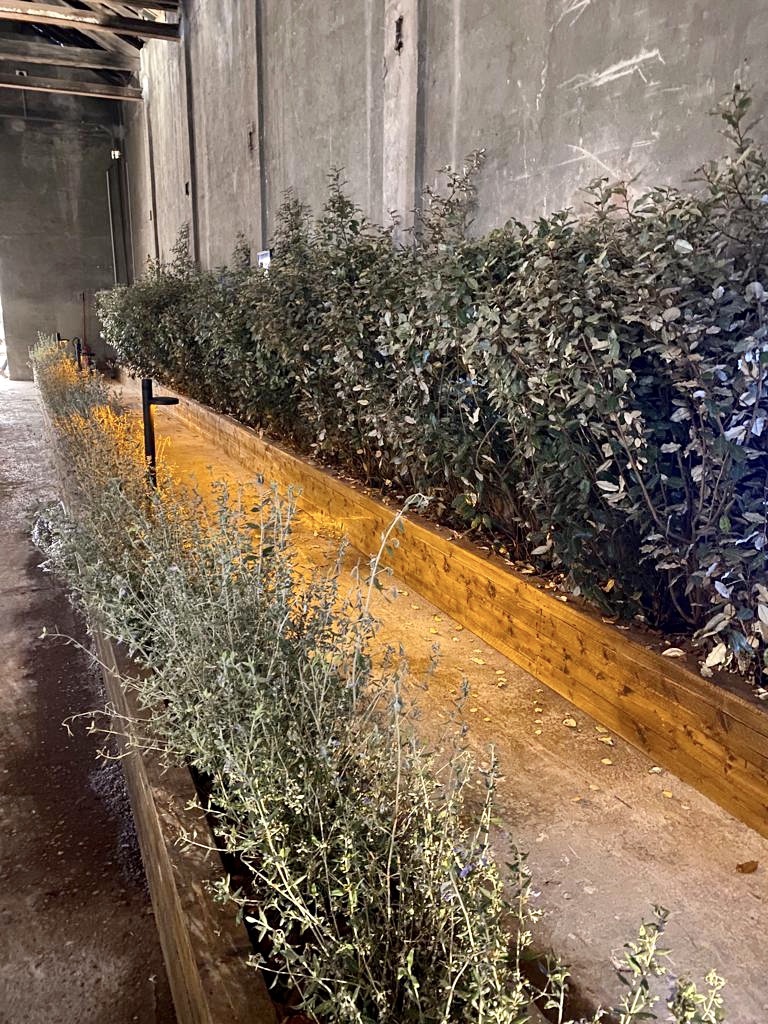
In order to show their outdoor lightning system, they have recreated a fabulous garden in one of the rooms. While people walked next to the plants, the lights changed colours. Amazing!

Needless to say, sustainability was one of the big topics at the Milan Design Week 22. But, of course, there was a lot of greenwashing. Indeed, same as in the fashion industry, it is clearly the marketing game of our times. You cannot sell a single pin if you don’t put a sustainable label on it.

But the first question that jumps to our mind is: how can huge events be sustainable?

What does it really mean to sell sustainability when there are no factual guarantees or clear regulations in place?

Milan Design Week 22: Signs Of A Recovery Read More »
World Ocean Day

Reading Time: 2 minutes

Voices worth listening to for meaningful change


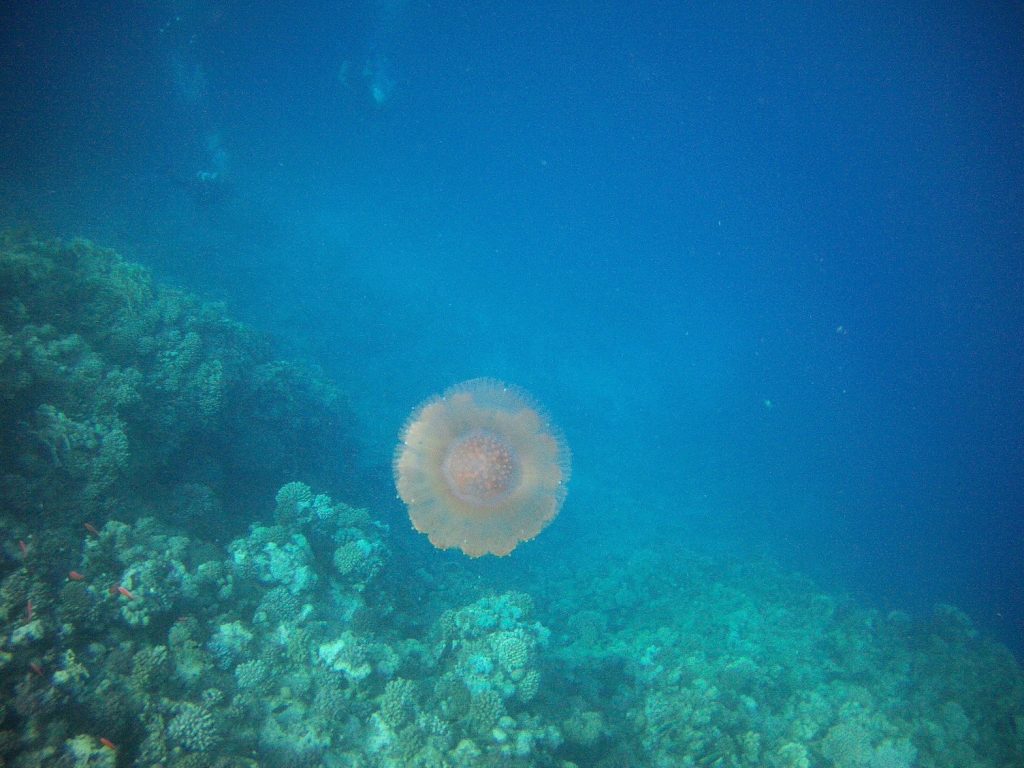
Today is “World Ocean Day”, and it’s nice to see that we celebrate the earth or the ocean without really understanding what it means. Indeed, we discard garbage in the oceans, too.

Mario Tozzi, a geologist and renowned scientific communicator, recently wrote a critical article: in regards to climate change as scientists were not pushing enough to make people understand the urgency.

In his tv show, “Sapiens”, he said that our robbery of the planet’s resources has severe consequences. Every year, we deplete the resources available until December 31st–the overshoot day–much earlier.

Then, he added: ‘If the climate emergency is so dramatic, why aren’t we worried? First, we do not see the climate, and we cannot give it a precise connotation. Therefore, we fail to connect the consequences to the causes such as migrations and drought. We don’t see the connections. Second, we are an overbearing species based on the accumulation of resources. A behaviour that will leave someone with resources, and many others without resources.’

World Ocean Day


Moreover, to mitigate climate change, we must be willing to renounce certain things, but as sapiens, we’re not fond of giving things up!

He also shared a documentary by Yann Arthus-Bertrand, who said that if we do not act now, by 2070, 1/3 of humanity could live in desertic areas like the Sahara. And 3 billion people could not live in their homes.

We wonder, if we complain about migration now, what will happen then?

However, the two most polluting elements, which need immediate action, are heating systems and intensive farming. In the end, it is clear that our lifestyle–entirely–is not sustainable. So we find it depressing to see people who clean their conscience by purchasing sustainable labelled clothing. It looks like you can buy sustainability, and fashion is the only problem when the issue is way bigger.

These are just two strong statements Arthus-Bertrand pronounced:

“We cannot have infinite growth in a finite world.”

“We live in a world of garbage.”

Yes, even the oceans are full of plastic, so we celebrate “World Ocean Day!” What else are we waiting for?

World Ocean Day Read More »

The Truth About Sustainability

Reading Time: 2 minutes

Green terms: no rules, just fluff!


Labelling products as sustainable is mainly a marketing trick, so let’s uncover the truth about sustainability. Although people believe that products marketed as sustainable are effectively so, the reality is much different. And when renowned experts in the field point it out clearly, we really appreciate it.

The Portas Pov is one of our favourite newsletters. The last one released was about sustainability and how tricky the topic is.
We quote it:

“But the reality is that, right here and now, there are no rules: no governance defining all those fluffy green terms. No legislation keeping businesses in check. So, all these words and phrases that the fashion world is co-opting with such success – sustainable, natural, “made from ocean plastics” – are, in large part, meaningless.”

The truth: sustainability or greenwashing?


So is it sustainability or greenwashing? A transparent message or a trick to sell more?

Indeed, there is no interruption with our previous post about a very timely and provocative show: “The end of the world.”

In fact, the story continues right on the same line where two main factors strive: first, the lack of responsibility. Whatever we do, we do not hold ourselves accountable. Like we could go on wasting, polluting, discarding, and then maybe move to another planet. Or, we just do not care about leaving an open-air landfill to our children. Enjoy life and leave them the troubles!
Second, our industrial society or an economic system known as capitalism. This, in other words, means constant growth based on unstoppable productions and rabid comption habits.

One factor is ingrained into the other: an eternal lack of responsibility coexists with a capitalistic society. And one supports the other.

Whatever the political side, governments will hardly have the capability to do something because those who move the pawns are the ones who own the money. They stay behind but will never change because they have no interest in doing it.

How to escape meaningless claims


Labelling products as sustainable will not change things. Indeed, these are just meaningless claims. If we want to be 100% sustainable, the truth is we should not produce a single new thing! Which is impossible.

Therefore, the best possibility is to change ourselves, our behaviour, our perspectives, and our lifestyle. Sticking to our values and our accountability is where our power resides.

Don’t buy into everything!

The Truth About Sustainability Read More »

Production Chains Impasse

Reading Time: 2 minutes

The urgency to make a change in a world at a standstill


Production chains have been disrupted first by the pandemic and second by the war in Ukraine. Which, unfortunately, doesn’t seem to have a short term solution.

Consequently, the question arises: how can we reorganise the production system to align with a more sustainable model?

The most striking reality is that the Western world relies on goods produced in countries where wages fall far below the threshold for a decent standard of living. That is a dead-end system: corporations will never renounce that magnificent cake which secures their profits. At the same time, everyone worldwide contributes to sustaining the system through overconsumption.

With a complete lack of vision, most companies hope to get back to normal soon, identifying that normal with the pre-pandemic and prewar structure. But the war and the new outbreak in China added more problems, further slowing raw material supplies and destroying markets. So it just got worse. While disrupting production chains, those catastrophic events are bringing in radical changes. And maybe, even those companies who prayed for “back to normal” will understand that life will never be the same, nor will production chains.

Production chains – What are the possibilities?


Small-sized companies offering local productions are more prone to change and more adaptable to new situations. On the contrary, big chains don’t have this ability to change and adapt quickly.
Artisanal should be the new normal, guided by the principle of going ahead with production only when there is a commitment to purchase. No overproduction.
Also, more focused production would give space to creativity, which is fundamental to conceiving meaningful products, goods made to last and worth buying.

Small, artisanal and creative are just some of the elements that provide a thoughtful and sustainable business model.

Of course, being creative means taking risks, so no one wants to do it because there’s no guarantee of success. But the catastrophic events we are witnessing tell us that we must change now.

In order to provide sustainable production chains, we need people leading the industries with innovative visions based on ethical principles.

Taking risks is part of the game. There’s no other way to make a change.

Production Chains Impasse Read More »

Earth Day?

Reading Time: 2 minutes

Mass marketing, hashtags and behaviour


On April 22, while everyone proudly shared the hashtag Earth Day, the news said that in Europe, six million tons of garments end up in landfills every year. Yes, it’s not a good moment to read newspapers because whatever the field, humans are not shining for responsible behaviour.

Even if we feel very sad about that news, we are not surprised. Indeed one of our latest posts was about the lack of coherence in our society. And scrolling through our blog, you’ll find many other posts on this topic. On the one hand, people claim to care about sustainability, yet on the other, they buy fast fashion or any other cheap product. The habit is ‘consume and throw away’ quickly.

In general, sustainability sells, and if it’s greenwashing, it sells even more!

Earth Day & the culture of waste


This matter has to do with the ‘buy and toss’ culture launched, promoted and pushed by corporations. They did it intentionally by using persuasion and with the help of marketing. Yes, marketing can do magic! Furthermore, knowing they could count not only on the weakness of individuals but also on people who don’t read and don’t think at all.

This is the modern way of purchasing clothing which is also done via Instagram or TikTok. The cheapest ones are the most successful. “It’s cheap, I buy it, I’ll wear it once and throw it away!”
What if they will not wear it? They won’t feel guilty getting rid of it because it’s cheap. In fact, there are garments still with the price tag in landfills!

That is toxic behaviour that speakes volumes about the decadence of European culture. Our parents and grandparents used to buy a few quality clothes that lasted a lifetime, got repaired and passed on to the other family members. Now, people buy very cheap products made to auto destroy in the shortest time possible. And which, unfortunately, don’t disappear but instead compromise our environment.

If we do not refocus our culture, if we are not open to change, and put some effort into shifting our consumption habits, it’s better to avoid the hashtag to celebrate Earth Day.

Hashtags work for marketing but will not save the earth. Our actions will.

Earth Day? Read More »