greenwashing

Milan Design Week 22: Signs Of A Recovery

Reading Time: 3 minutes

Salone and Fuorisalone: tourists and a vibrant atmosphere return to the city


Milan Design Week 22 is over, and even if the weather was too hot, it was nice to see the town alive again. Some say it was not as crowded as in the previous editions, but many tourists came for the occasion from everywhere.

When they were interviewed by the press, the industry professionals said they placed orders during the exhibition, something that has not happened for a long time. Therefore, they noticed positive signs of a recovery after the pandemic.

By the way, starting from the first editions, the events held for the “Salone del Mobile” and the “Fuorisalone” created a lively and refined atmosphere in town. Much better than the fashion week, almost underscoring that the design audience is more cultured than the fashion crowds. Which is unsurprising considering how fashion has lowered the bar so far.

Milan Design Week & Fuorisalone
Milan Design Week


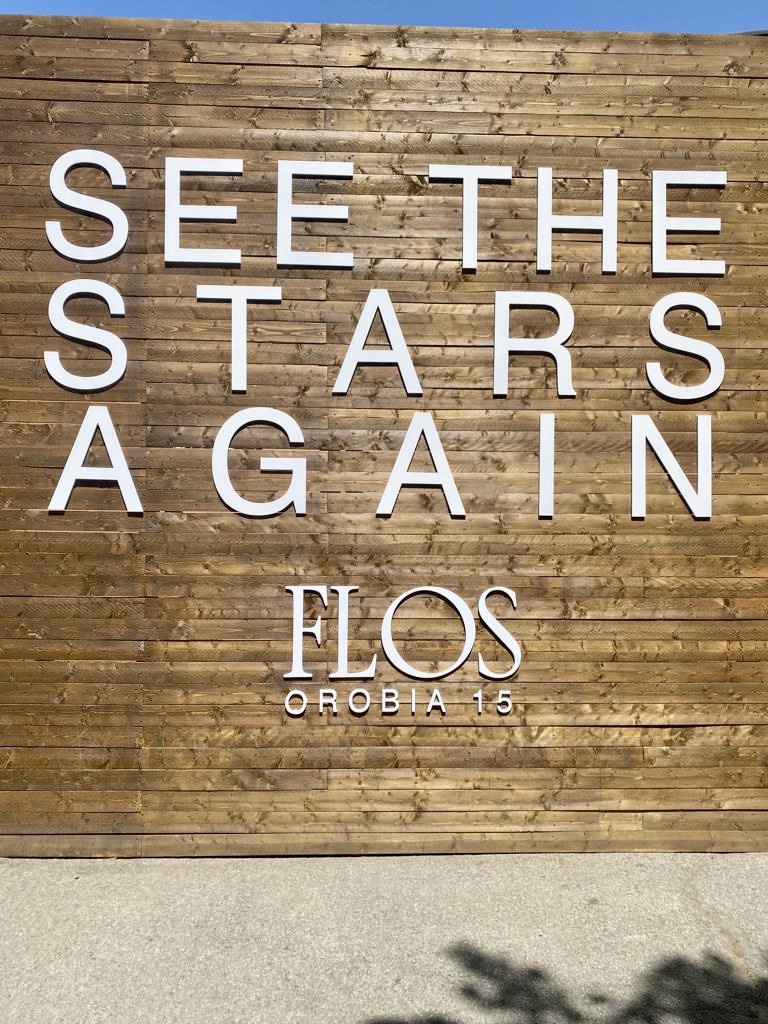
However, among the places we visited, our favourite was the Flos’ location at the “Fabbrica Orobia.” Here we saw beautiful setups in a stunning multi-experience venue. Titled “See the stars again”, the event celebrated its 60 years of activity.
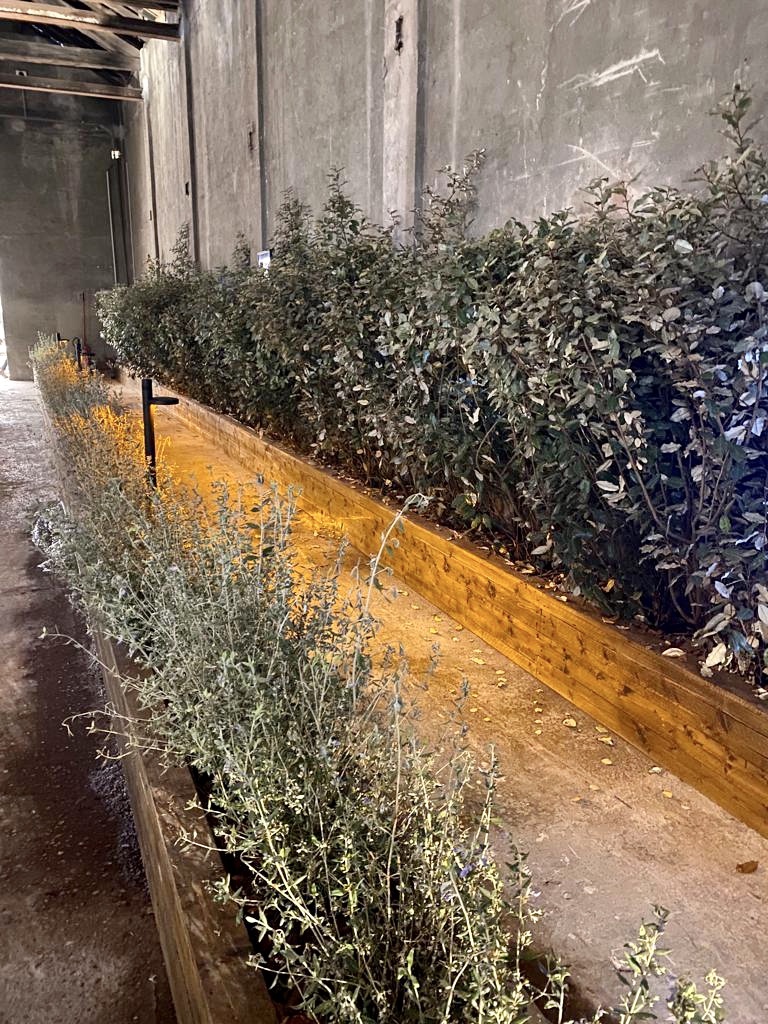
In order to show their outdoor lightning system, they have recreated a fabulous garden in one of the rooms. While people walked next to the plants, the lights changed colours. Amazing!

Needless to say, sustainability was one of the big topics at the Milan Design Week 22. But, of course, there was a lot of greenwashing. Indeed, same as in the fashion industry, it is clearly the marketing game of our times. You cannot sell a single pin if you don’t put a sustainable label on it.

But the first question that jumps to our mind is: how can huge events be sustainable?

What does it really mean to sell sustainability when there are no factual guarantees or clear regulations in place?

Milan Design Week 22: Signs Of A Recovery Read More »

The Truth About Sustainability

Reading Time: 2 minutes

Green terms: no rules, just fluff!


Labelling products as sustainable is mainly a marketing trick, so let’s uncover the truth about sustainability. Although people believe that products marketed as sustainable are effectively so, the reality is much different. And when renowned experts in the field point it out clearly, we really appreciate it.

The Portas Pov is one of our favourite newsletters. The last one released was about sustainability and how tricky the topic is.
We quote it:

“But the reality is that, right here and now, there are no rules: no governance defining all those fluffy green terms. No legislation keeping businesses in check. So, all these words and phrases that the fashion world is co-opting with such success – sustainable, natural, “made from ocean plastics” – are, in large part, meaningless.”

The truth: sustainability or greenwashing?


So is it sustainability or greenwashing? A transparent message or a trick to sell more?

Indeed, there is no interruption with our previous post about a very timely and provocative show: “The end of the world.”

In fact, the story continues right on the same line where two main factors strive: first, the lack of responsibility. Whatever we do, we do not hold ourselves accountable. Like we could go on wasting, polluting, discarding, and then maybe move to another planet. Or, we just do not care about leaving an open-air landfill to our children. Enjoy life and leave them the troubles!
Second, our industrial society or an economic system known as capitalism. This, in other words, means constant growth based on unstoppable productions and rabid comption habits.

One factor is ingrained into the other: an eternal lack of responsibility coexists with a capitalistic society. And one supports the other.

Whatever the political side, governments will hardly have the capability to do something because those who move the pawns are the ones who own the money. They stay behind but will never change because they have no interest in doing it.

How to escape meaningless claims


Labelling products as sustainable will not change things. Indeed, these are just meaningless claims. If we want to be 100% sustainable, the truth is we should not produce a single new thing! Which is impossible.

Therefore, the best possibility is to change ourselves, our behaviour, our perspectives, and our lifestyle. Sticking to our values and our accountability is where our power resides.

Don’t buy into everything!

The Truth About Sustainability Read More »

Who Has A Voice

Reading Time: 2 minutes

Exploring power dynamics in the fashion industry and the role of sustainability advocates


Who has a voice in the fashion industry? And who do you think has a say on sustainable matters in fashion?
One of the many problems with sustainable fashion is that those who have a voice in discussing the topic are exactly the same ones who created the toxic environment. Same faces, same brands, and same interests. That is the trick, unfortunately.

The dynamics behind those who have a voice


Brands’ owners set up a system based on massive overproduction, to be disposed of through inflated budgets to retailers. Off-price malls packed with discounted items. Plus, there was a parallel market to reach those retailers who wanted to buy certain brands but could not officially do so. As a result, all the maisons realised they could increase the budget to retailers, knowing that retailers, in turn, would resell through a parallel network, feeding that toxic system.
All the operators knew how it worked, but since they were making a lot of money, it was fine. No complaints! As it was acceptable to do the worst things in the name of god-money. Now that the industry collapsed, they’ve started questioning it.

So, the industry operated through mono brand retail, department stores, parallel market, off-price stores–creating an over-saturated market. But how many fashion items those enlightened CEOs and managers did believe people could buy? Is the fact that they are no longer making money as they did enough for us believe in their redemption? We could invite Hannibal Lecter to the table, but perhaps, serving only vegetables will not be enough to change his tastes in food.

Who has a voice and influence on the sustainability discussion are exactly those who created the problem.

Ultimately, if we believe we can search for the value of sustainability among the same old faces, listening to their voice, we are wrong.

Who Has A Voice Read More »

Sustainability Or Greenwashing?

Reading Time: < 1 minute

Unpacking the bubble of eco-friendly marketing


Sustainability as we know it today, is a bubble, an old-school marketing operation better defined by the name greenwashing.
The same marketers made us believe in the existence of 100% organic food products. The world is an open-air landfill, but we believe it is unspoiled. Or at least we can isolate lands, preventing any contamination. Trust in it!

If sustainability is about reducing waste, why do brands keep overproducing? If it’s about ethical labor, why do supply chains remain opaque? And if it’s about real change, why does the industry still run on overconsumption?

It’s as though we suddenly all woke up in a sustainable world, with green labels flourishing everywhere. But some questions are jumping into our heads.
Is the use of a few eco-friendly materials enough to define a brand sustainable?
Can fast-fashion brands call themselves sustainable?
And all the luxury brands that continue to produce enormous quantities of products?
Can they be sustainable? Really?

Sustainability isn’t a sticker or a marketing tagline—it’s a fundamental shift in mindset. Yet, the more brands claim to be sustainable, the more the industry stays the same.

And so, sustainability or greenwashing? Contradictions are strong.

We need a radical change, not fake messages.

Sustainability Or Greenwashing? Read More »