design

Milan Design Week 22: Signs Of A Recovery

Reading Time: 3 minutes

Salone and Fuorisalone: tourists and a vibrant atmosphere return to the city


Milan Design Week 22 is over, and even if the weather was too hot, it was nice to see the town alive again. Some say it was not as crowded as in the previous editions, but many tourists came for the occasion from everywhere.

When they were interviewed by the press, the industry professionals said they placed orders during the exhibition, something that has not happened for a long time. Therefore, they noticed positive signs of a recovery after the pandemic.

By the way, starting from the first editions, the events held for the “Salone del Mobile” and the “Fuorisalone” created a lively and refined atmosphere in town. Much better than the fashion week, almost underscoring that the design audience is more cultured than the fashion crowds. Which is unsurprising considering how fashion has lowered the bar so far.

Milan Design Week & Fuorisalone
Milan Design Week


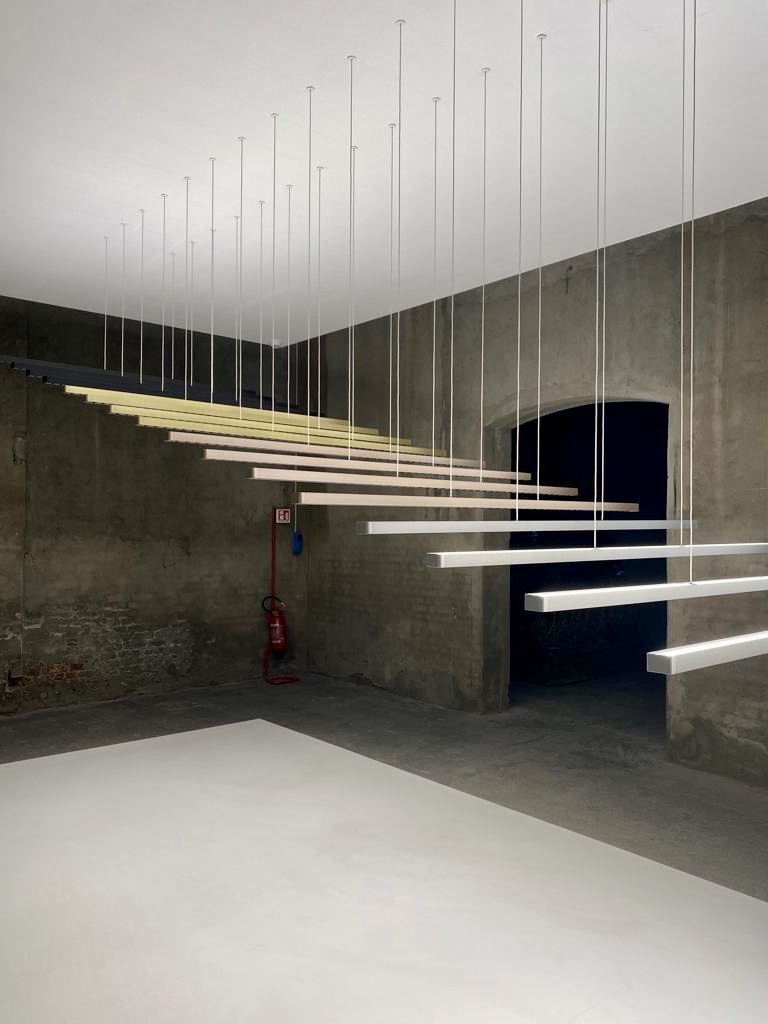
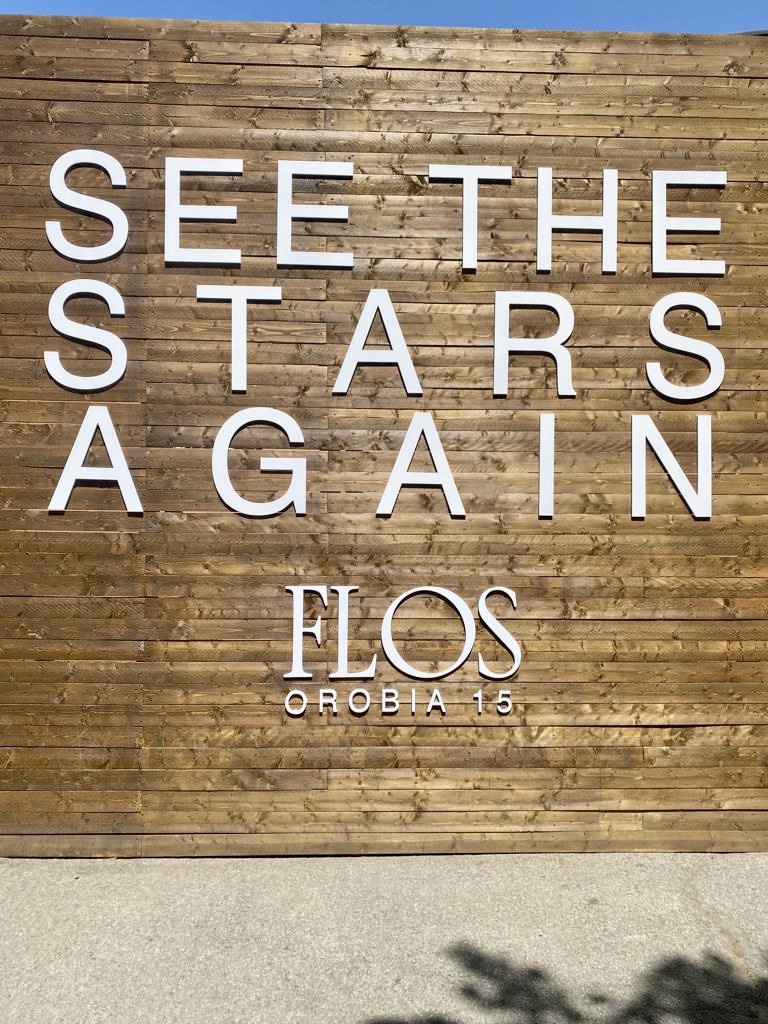
However, among the places we visited, our favourite was the Flos’ location at the “Fabbrica Orobia.” Here we saw beautiful setups in a stunning multi-experience venue. Titled “See the stars again”, the event celebrated its 60 years of activity.
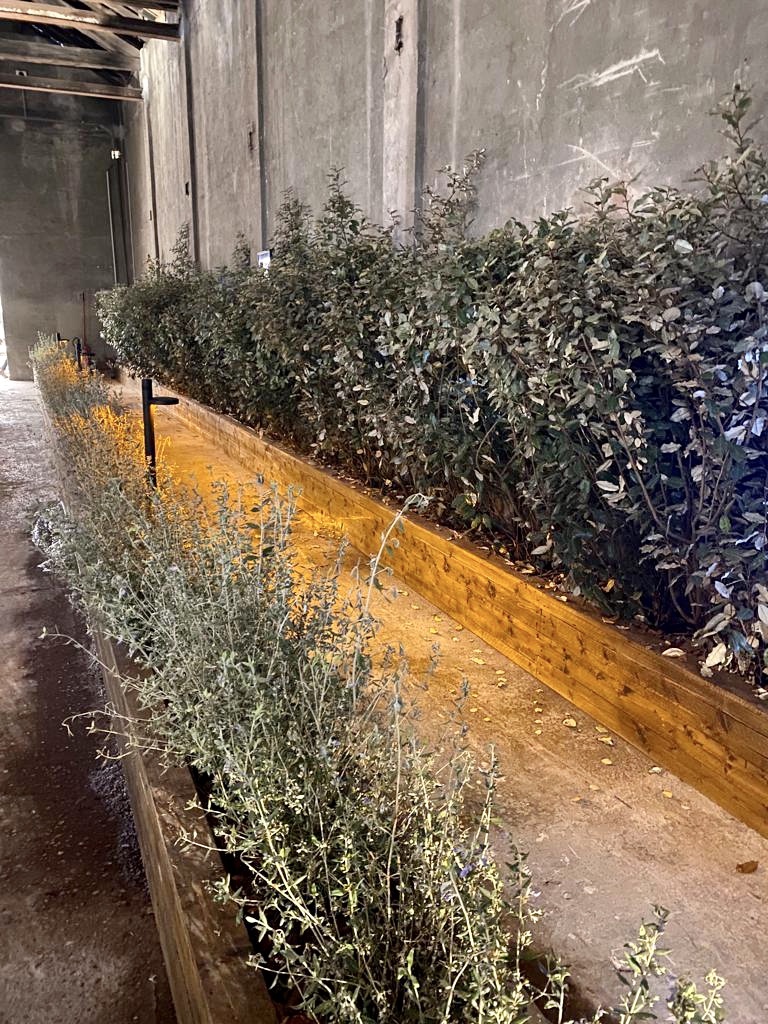
In order to show their outdoor lightning system, they have recreated a fabulous garden in one of the rooms. While people walked next to the plants, the lights changed colours. Amazing!

Needless to say, sustainability was one of the big topics at the Milan Design Week 22. But, of course, there was a lot of greenwashing. Indeed, same as in the fashion industry, it is clearly the marketing game of our times. You cannot sell a single pin if you don’t put a sustainable label on it.

But the first question that jumps to our mind is: how can huge events be sustainable?

What does it really mean to sell sustainability when there are no factual guarantees or clear regulations in place?

Milan Design Week 22: Signs Of A Recovery Read More »

Design Against Waste

Reading Time: 2 minutes

Innovative solutions for a sustainable future


Waste is a major issue in our culture–perhaps one of the biggest. It is undoubtedly a side effect of our lifestyle. Waste is the ignorant byproduct of our times, meaning the etymological non-understanding of what we leave behind.

In other words, it represents a blind and egoistic short-term vision. People simply don’t care. Their children will live in an open-air landfill, but that’s not their concern.

However, the problem is real, devastating, and we cannot ignore it anymore. There’s no way to sweep waste under the carpet or make it magically disappear.

Acknowledging the problem and the environmental cost it carries along, is the first step. But what is the solution?

Design is the answer.
An accurate design is at the core of solving the waste issue. Changing the way we conceive products is absolutely crucial. We need intentionally designed items in every single field and category–fashion, furniture, technology, and beyond.
Products made with eco, recycled materials taht can have multiple lives and eventually enter a circular pattern.
Items made to last. In other words, design against waste.

By the way, this was the standard in the past in terms of lifetime. Products were built to endure. Now, the life of a garment barely exceeds a couple of washes, and a mobile phone lasts less than a year.
Moreover, convenience culture played a significant role in exacerbating wasteful habits and proliferating a throwaway mentality. Buying a new item is cheaper than repairing it. So people throw things away and replace them—even if the new item lasts only a few months. And so, the never-ending cycle continues.

The point is that real designers make good designs. But fashion–like any other industry–is in the hands of people who are more attracted to marketing than design. So It’s unlikely that change will emerge from within the current system.

Unless a new generation of designers, aware of the issue and moved by it, steps forward to make a difference–to change for the better.
We remain optimistic!

Design Against Waste Read More »

See The Difference

Reading Time: 2 minutes

Valuing the sensitivity to go beyond


Being able to see the difference means speaking the same language. A language that goes beyond the surfaces, one that perceives the subtle nuances and understands the importance of every detail. It’s a deeper sensitivity—an awareness that values what others might overlook.

Simplicity strips away the unnecessary. Simplicity goes to the essential. And the essential reveals the true quality.
When design is lacking, simplicity is reflected poorly. It loses its power, leaving only a hollow reflection.

For instance, take a basic top, with an essential and clean shape.
Can you see the difference with a garment that apparently looks similar?
Touch it. Can you feel the material?
Wear both. Do you get a sense of the fit? How they flow on your body?
Can you feel the quality?

Good design makes that basic top a piece of perfection, turning simplicity into an art form.

Those who are aligned and share our values don’t need many explanations. Indeed, they instantly understand the message–we speak the same language. It’s all about trust. In fact, we select with great care only what truly makes sense.

Those who are curious may need some time to fully understand. But at least, they search for more information. And in that moment of exploration, a door to deeper communication opens.

Those who don’t see any difference between one garment or another don’t have the sensitvity to go further. As a result, they do not align with our vision of the world. The language isn’t the same, and without that, there is no connection.

But there’s no need to connect with everyone, nor to be liked by everyone.

A small, aligned audience is enough.

See The Difference Read More »