Explorations

It’s war! The World We Don’t Want

Reading Time: 2 minutes

Can fashion stay relevant during a war next to our door?


It’s war! Yesterday we awoke with a clear feeling of insanity and disgust as the first news we heard in the morning told us that Russia declared war on Ukraine.

From the end of the Cold War to the onset of a real war


The news sent us back to the past. It felt like a flashback to 1985, the year Sting released the song Russians. We were teenagers then, and music was the center of our universe. That song had a profound impact on us. By the way, the world was nearing the end of the Cold War.

Russians lyrics came to our mind evoking sad thoughts:
“In Europe and America, there’s a growing feeling of hysteria
Conditioned to respond to all the threats
In the rhetorical speeches of the Soviets.”

Nothing has changed over time, nor can we say humanity has ever learned anything from past events—most of which were man-made disgraces. In fact, humans keep on repeating the same mistakes over and over again, and perhaps we like it too.

war


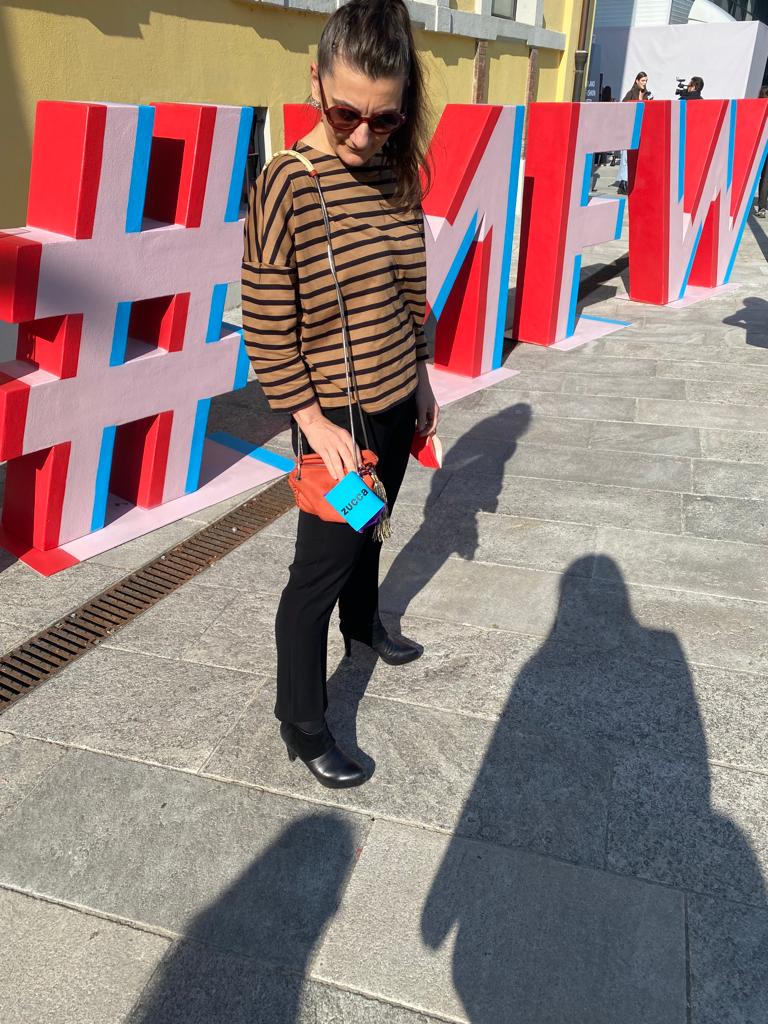
The backdrop of Milano Fashion Week


Against this backdrop of horrible events, we should talk about Milano Fashion Week, and to be honest, it doesn’t come so easy.

The first impression we have is that the language has become cloying. All the wording, from sustainability to diversity, from inclusion to genderless, flooded the industry and flattened the proposals. These empty claims seem to depict a fake universe detached from reality. In the end, brands follow one another without having a real character that makes them unique.

“Balenciagitis” is a kind of contagious phenomenon which has affected many brands, depriving them of their core identity.

The mood so far seemed very 90’s: tank tops, layering, see-through dresses.

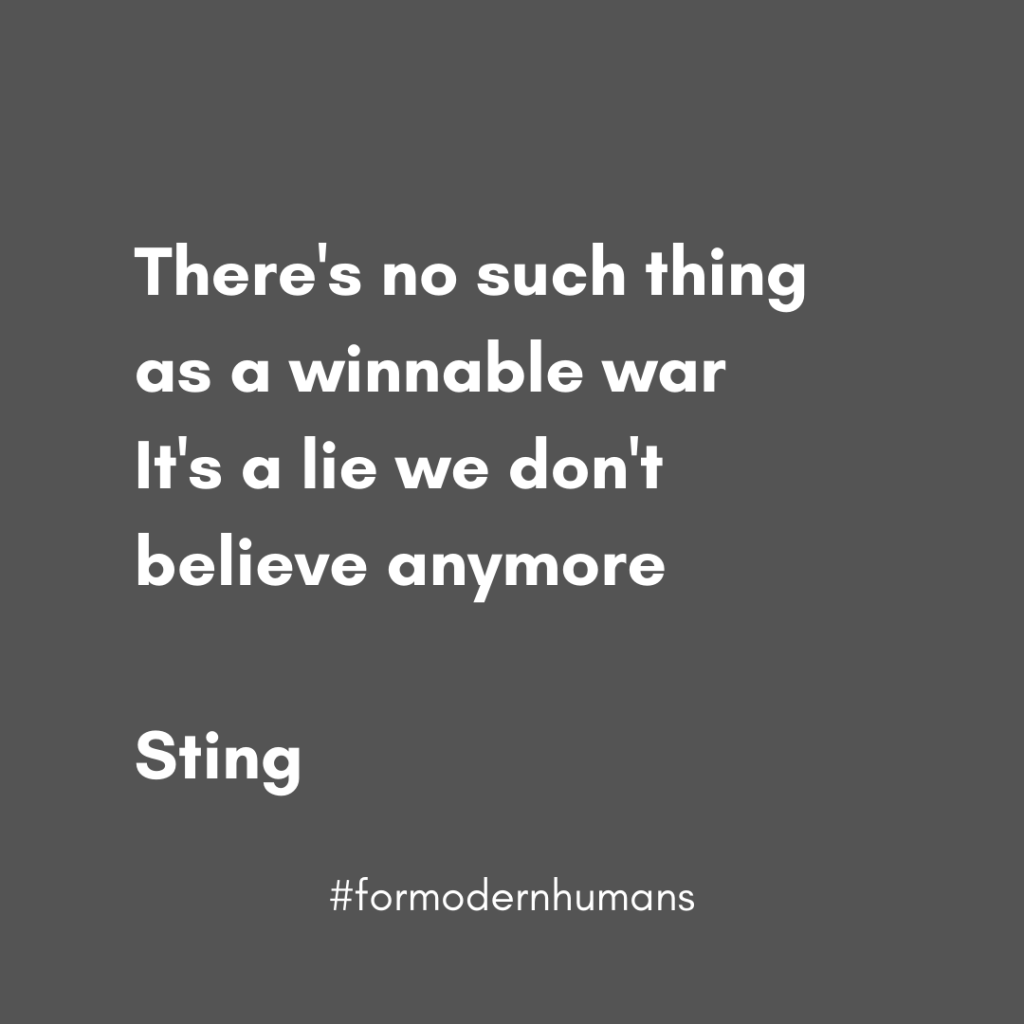
However, Putin’s frightening words and actions today resonate with us more than fashion does. So, we turn to Sting’s song once again:

“There’s no such thing as a winnable war
It’s a lie we don’t believe anymore!”

It’s war! The World We Don’t Want Read More »

Mass Production or “Mess” Production?

Reading Time: 2 minutes

Quality vs quantity: exploring the impact of mass production on fashion and society


Mass production is an ongoing global phenomenon. Fast-Fashion, is no doubt, all about mass-production as you think.

Yet, even in the luxury world, high brands nowadays are attempting to produce more than ever to reach a broader range of consumers. Why? Because this is how they maximize profit. Speed and cost are everything they now prioritize. Indeed it’s a matter of speed and greed.

Charles Frederic Worth, an English fashion designer in the early 20th century, is today known as the father of Haute Couture.
His dresses required some fifteen yards of fabric and could take three to four hundred hours to embroider. For one client, the dress even needed a team of thirty seamstresses working full time because everything was entirely made by hand.

Yes, the handmade takes time, but do we still find or do the luxury brands still even care about such craftsman values?

Where are the values which we used to appreciate in the past?

Mass or “mess” production?


Luxury brands are now mass-producing their products to market mass consumers. Targeting a larger audience means bigger profits, they believe. However, their mass production has undervalued the noble past of fashion and diminished the true aesthetic.

They care only about profit, no longer the values.
It is such a “mess production” – in fact.

Resizing and reducing, not maximising


By having in mind the idea of Couture as a meaningful business model, brands should produce less and target a smaller audience. Therefore, selecting the right individuals who are capable of appreciating these values.

A rigid selection is what the brands need to do. They need to select whom to create rather than create for everyone.

“Less” is such a big keyword for luxury brands today, but there is something that should be “more”.
Time. More time for quality.
Because quality takes a lot of effort, patience and creativity. And so more time is a must.
Yet, that is the only way the true values of fashion can be revived.


✍️ A piece written by Kotono Sakai, a Japanese girl studying history and fashion at Cattolica University in Milan and interning for suite123

Mass Production or “Mess” Production? Read More »

Luxury For The Rich

Reading Time: 2 minutes

True luxury or just ordinary?


When the concept of luxury was first presented to the public, it was reserved for the most wealthy. The brands were producing only the highest-quality items, making it an exclusive opportunity to purchase. One that only the lavish could afford.

Jump forward to the 21st century. Luxury has been made available to the high-class and middle-class. But even the low-class are finding ways to purchase. Even if that means sacrificing things they actually need. In this new generation, fitting into a high-status category is more important than saving for your future. The image is everything.

So if every person walking beside you on the street has access to a luxury brand, how are the highest economic class supposed to maintain their importance, aside from driving beside you in their Mercedes Benz.

Peeking through the illusion


There is a strong polarity that still remains between the high-class and all the others. Time. The middle and lower class might be able to afford a few nice purses, perfume, and some makeup. But those material items are only constructing a window for which they can peek through to see an inch of what the highest-class get to experience. Finally escaping from the fear of bringing your work to a halt. Many business owners within the elite would still bewell off even after taking a break from work for a while to spend time with family.
The middle class and below aren’t granted that privilege. They can buy the material items, but they can’t buy time.

True luxury: financial freedom and time


One of the only factors that persists in differentiating the rich from the rest, is the financial freedom to do and go wherever they’d like whenever they’d like. That’s an economic and social ability that can’t be bought on Rodeo Drive.
So I hope you’re enjoying the scent of your Chanel Number 5, but remember that until you alter your perspective you’ll still be on the outside.


✍️ A piece written by an American student studying fashion in Milan and interning for suite123, Gavriel Ewart.

Luxury For The Rich Read More »

The Slow Mode

Reading Time: 2 minutes

Welcoming the Spring/Summer 22 season


A choice of value
We take it slow, slow mode, moving at our own pace, with no rush to dive into the new Spring/ Summer season. Happy to finally touch with our hands what we ordered months ago digitally or in physical showrooms. Thrilled to show you the mix we’ve put together for you–which we hope you will enjoy. But we do not hurry; that sense of urgency is no longer part of the evolved dimension we’ve embraced.

A conscious approach is rooted in thoughtful actions, not in rushing. And this is a time in which pondering our actions–please, translate it also into thinking carefully about what we purchase–is at the base of everything.

Slow fashion: taking the time it deserves


Quality takes time
Bringing back the value of waiting is fundamental in order to regain standards of quality, and give a proper perspective. Fast is cheap, but there’s no quality nor value in that, just exploitation of human and natural resources. So we want to go back to the ‘tempo giusto.’ The proper time, what quality needs.

the slow mode - welcoming Spring/ Summer 22 season


The global industry is still ingrained in the status quo, not willing to change because by offering cheap products, they are sure they’ll sell them regardless of the side effects. Well, we don’t want to be part of that system.

During days of total uncertainty caused by the pandemic, we’ve been searching for consistency, good design, and quality. This is what we thought it made sense to offer.

Our fashion? The slow mode. We embrace slow fashion by adapting it to our evolving needs. If brands run fast, we do not. We bring in our visions and values instead. And we believe that suggesting you buy less, much less but better quality pieces is an effective way to reduce our impact on the planet.

So we don’t go where the wind goes, we go where value resides.

The Slow Mode Read More »

Luxury Brands & Young Audience

Reading Time: 3 minutes

A new perspective on luxury brands selling to the wrong audience


It is understandable for a business to market their products and services to a specific audience. Rationally, a business has a niche, and they sell to those who will respond to that niche.

It is an entirely different story if a luxury business is promoting to an audience who is undeniably not in the chapter of their lives where the concept of ‘luxury’ is available to them.

Is their strategy from an angle of manipulation?


As many know, during the late adolescent years when the frontal lobe of the brain has not finished developing, the youth are still heavily prone to absorbing information that’s restricted to them. The frontal lobe of the brain is responsible for planning, organizing, initiating, self-awareness, and intensive decision making. 

As a result, all external stimuli easily influence adolescents. Because of this, many businesses, the luxury fashion industry being one of the most convincing, use their advertising, locations, storefront displays, and interior design to lure the young. 

They eventually purchase an overpriced item that fools them into believing they are a part of the glamor status in society. When in reality, they are living with their parents and trying to pass their statistics exams. 

Is their strategy from a logical perspective?


According to Eurostat Statistics Explained, young citizens living in the metropolitan cities of Western Europe get paid an average of 332-2257 euros per month. Considering the fact that a younger employee would typically get paid on the minimum scale, they barely make ends meet. Therefore, it would be irrational to assume that they have a surplus of funds to spend on luxury pieces every month since they are still concerned with food, transportation, and possible rent charges. 

These results provide one clear conclusion, one that is frankly not too surprising. Luxury labels don’t care how the youth purchase their products, as long as they make profits.

Why luxury brands target the young audience

The true reason . . . . 
Profit. Profit with the dismissal of its grand effect on those who have little power to reverse the actions they didn’t know any better but to make. Many know that the youth are one of the most easily influenced generations. Yet all categories of business make a habit of exploiting them from all angles. 

“You don’t have the money to buy this purse? Well here is a high interest rate credit card with no instruction on how to prioritize paying. Do you want an education? Here is a $50,000 Unsubsidized loan that will take over half your life to pay back. Wait, you want a loan to start a business and become successful independently? No we can’t do that for you, you’ll need a hefty credit score to receive that privilege”. 

As said, it’s understandable to sell your products to those attracted to that niche and who can afford it. But the new reality presents that the niche of these companies is predominantly to sell to those who are required to max out their high interest credit cards in order to purchase.
Sadly, this singular purchase is what makes them feel included and accepted into this glamorous facade that people call reality. So don’t allow yourself to sink into the sand of manipulative brands. Don’t let yourself be blinded by the sparkly logos. Shade your eyes with your hands, not your overpriced sunglasses. 


✍️ A piece written by an American student studying fashion in Milan and interning for suite123, Gavriel Ewart.

Luxury Brands & Young Audience Read More »